
Parasocial Bonds: Why Followers Buy

Followers who feel they know a creator buy what that creator recommends. The science of one-sided bonds — and how to build them honestly.
A friendship with one side
In 1956, researchers Donald Horton and Richard Wohl noticed something odd about television audiences: viewers spoke about news anchors the way they spoke about neighbors. They coined the term “parasocial relationship” — a bond that feels mutual but flows in one direction. The anchor does not know you exist; your brain files them under “people I know” anyway.
Social media turned this from curiosity into economy. A creator who appears in your stories tray every morning, talks to the camera at arm’s length, and answers comments occupies the same mental slot as a friend you text weekly. The brain evolved to track a village of faces; it has no separate category for “face I see daily but who does not see me.” That missing category is what modern creator commerce is built on.
Why a recommendation outsells an ad
When a stranger praises a product, your skepticism module runs at full power: who is this, what do they gain? When a “friend” praises it, that module mostly stands down — we audit friends far less than salespeople. A parasocial recommendation borrows this shortcut. The follower is not evaluating the moisturizer; they are trusting Noura, and Noura happens to be holding a moisturizer.
This is also why the same product converts differently across formats. A polished feed post reads as advertising and wakes the skepticism module; a casual story — messy hair, kitchen lighting, “girls, I have to tell you about this” — reads as a voice note from a friend. The production quality gap is not a bug. It is the mechanism.
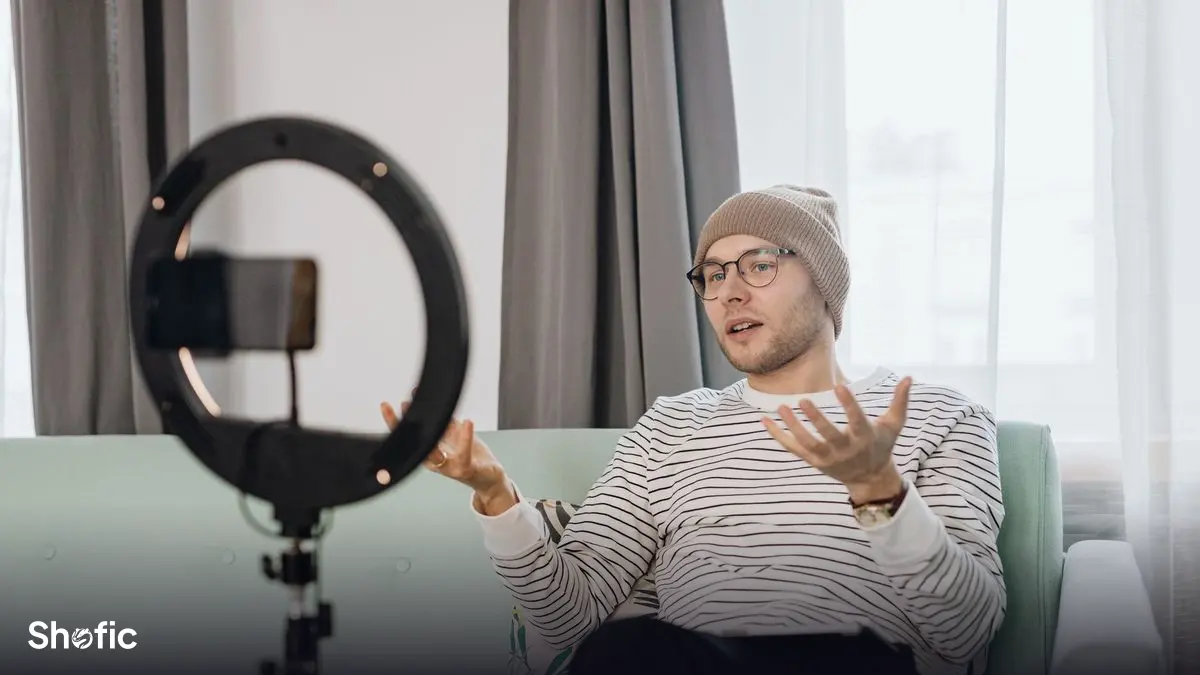
- Unscripted story, phone at arm’s length — reads as a friend talking, lowest guard.
- Voice note over a photo — intimate, still personal, guard stays low.
- Polished feed post — reads as advertising, wakes the skepticism module.
- Grid post with a discount code and studio lighting — fully filed as an ad.
The intimacy toolkit: stories, replies, voice
Parasocial bonds grow from specific, repeatable behaviors. Daily stories beat weekly posts because frequency, not polish, builds familiarity — the follower needs to see you on ordinary days, not only launch days. Direct address matters: looking into the lens and saying “you” activates the same social circuits as eye contact. And imperfection is load-bearing; the day you show a failed recipe or a tired face is the day the relationship stops being a broadcast.
Replies convert one-directional attention into something that feels mutual. A creator who answers 20 comments a day is not reaching 20 people — every reply is public, and hundreds of silent followers watch the creator being the kind of person who answers. Voice notes and voice replies deepen this further: hearing someone’s unedited voice, with its hesitations and laughter, is processed as far more intimate than reading their text. Gulf audiences, raised on Snapchat’s talking-to-camera culture, respond to voice especially strongly.
- Post daily stories — frequency, not polish, builds familiarity.
- Look into the lens and say “you” — direct address mimics eye contact.
- Reply publicly to comments — silent followers watch you being responsive.
- Use voice notes and voice replies — unedited voice reads as far more intimate than text.
- Show ordinary and imperfect days, not only launch days.
Intimacy at scale: a numbers view
Here is the strange math of parasocial commerce. A creator with 25,000 followers and a strong bond — say 60% of story viewers watch to the last snap — will often out-earn a creator with 250,000 followers and a weak one. If 8,000 people watch the daily story and 2% act on a recommendation, that is 160 buyers per mention; the larger account with 15,000 casual story viewers converting at 0.3% delivers 45. Brands in the Gulf have learned this arithmetic, which is why story completion screenshots increasingly matter more than follower totals in campaign negotiations — a dynamic we cover in Snapchat: the Gulf’s underrated sales channel.
The practical lesson: measure your bond, not just your audience. Story completion rate, reply volume, and how often followers mention personal details you shared weeks ago are the real balance sheet of a creator business.
- Track story completion rate, not follower total — it is the truest reach number.
- Track reply volume and DM depth, not the like count.
- Track how often followers recall details you shared weeks ago — that is loyalty, not this week’s new follows.

The credibility floor
Parasocial bonds have a cold-start problem: before a viewer invests emotionally in a creator, they run a half-second credibility check, and follower count is the first number they see. An account at 300 followers gets categorized as “someone’s cousin trying content”; the same face and the same stories at 10,000 get categorized as “a creator worth knowing.” Unfair, but consistent — and it means early bond-building efforts leak badly on a bare profile.
That is the honest role of visibility services in this picture: a follower baseline or steady Snapchat story views clears the credibility check so viewers give your actual content the ten seconds it needs to start a bond. What the services cannot do is hold the relationship for you — no package replaces showing up on camera every day. We explain the ordering process, delivery pace and the no-password rule at how it works.
A follower baseline clears the half-second credibility check so new viewers give your content the ten seconds a bond needs.
View Snapchat FollowersThe responsibility that comes with the bond
A parasocial bond is real trust held by one side only, which makes it easy to abuse and expensive to lose. Three rules keep it honest. Disclose paid partnerships plainly — followers forgive ads, never deception. Recommend only what you have genuinely used; a single bad-faith recommendation can undo two years of daily stories, because the follower experiences it as betrayal by a friend, not a failed ad. And keep a boundary between intimacy and dependence: creators who manufacture personal crises for engagement are borrowing against a bond they cannot repay.
Done honestly, the bond is the most durable asset in social commerce: algorithms change, formats die, but an audience that feels known keeps opening your story first. For more on the behavioral science behind buying decisions, browse our marketing psychology hub.
Steady story views keep your daily reach high enough for the bond to compound.
View Snapchat Story ViewsFrequently asked questions
What is a parasocial relationship in social media marketing?
A one-sided bond where a follower feels they personally know a creator who does not know them. Coined by Horton and Wohl in 1956 for TV audiences, the effect is far stronger on social platforms because daily stories, direct address and public replies mimic the rhythms of real friendship.
Why do influencer recommendations convert better than ads?
Because the brain audits friends far less than salespeople. A follower who has watched a creator daily files them under “people I know,” so a recommendation bypasses the skepticism that a brand ad triggers. The follower is trusting the person, and the product rides on that trust.
How do creators build intimacy with a large audience?
Through behaviors that scale one-to-many while feeling one-to-one: daily stories filmed at arm’s length, speaking “you” into the lens, replying publicly to comments so silent followers watch you being responsive, and using voice — notes, replies, unscripted talking — which the brain processes as far more personal than text.
Do small creators with strong bonds really earn more than big ones?
Often, yes. Run the numbers: 8,000 devoted daily story viewers converting at 2% deliver 160 buyers per recommendation; 15,000 casual viewers at 0.3% deliver 45. That is why Gulf brands increasingly ask for story completion screenshots rather than judging on follower totals alone.
Are parasocial relationships harmful or unethical to use in marketing?
The bond itself is neutral — it becomes unethical when exploited. Three lines keep it honest: disclose every paid partnership, recommend only products you have genuinely used, and never manufacture personal drama for engagement. Followers forgive ads; they do not forgive discovering the friendship was bait.
Why is Snapchat so strong for parasocial selling in the Gulf?
The platform’s culture is talking-to-camera daily stories — the exact format that builds one-sided intimacy fastest. Gulf audiences open Snapchat first in the morning, watch creators’ unpolished daily lives, and buy through WhatsApp conversations that feel like messaging a friend, because psychologically that is what they are doing.