The First Thirty Seconds: Why Arab Artists Lose Streams Before They Count
Spotify counts nothing before thirty seconds, and a listener who leaves at twenty-nine does worse than not listening at all — they tell the algorithm the track failed. This is about writing and releasing for a platform that measures the beginning.
Thirty seconds is a threshold, not a guideline
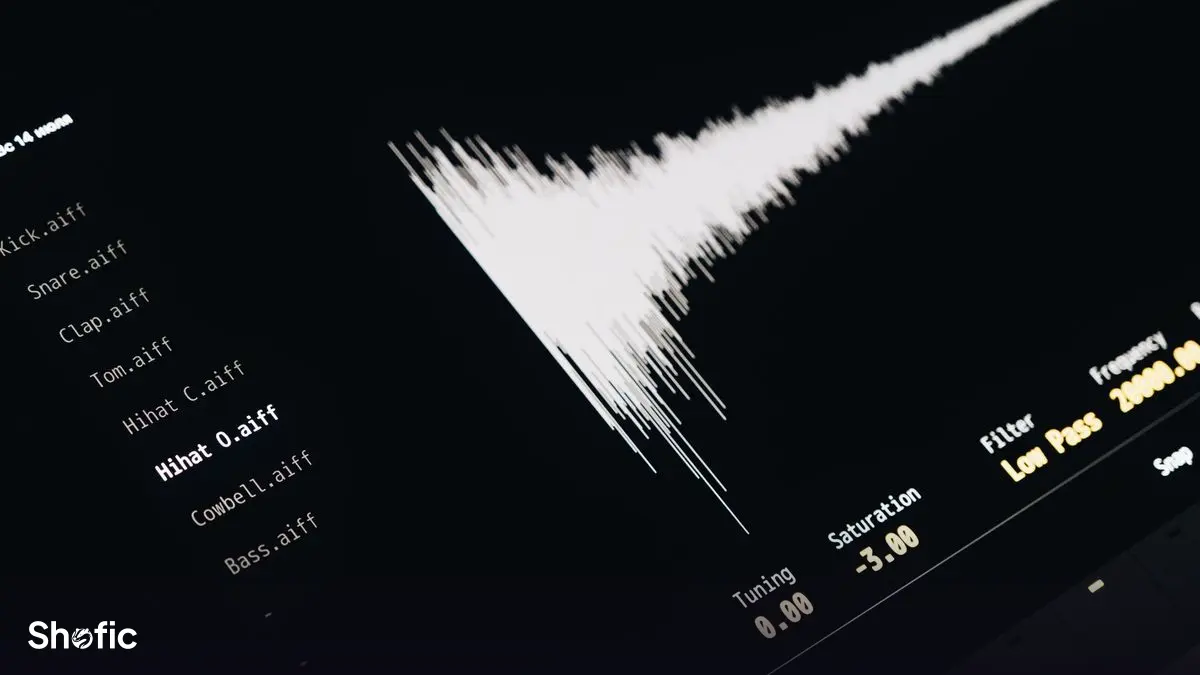
Spotify registers a stream once a listener passes thirty seconds. Below that, nothing is counted and nothing is paid — but the listen is not neutral either, because the skip is recorded. A track that people open and abandon early is being told to the algorithm as a track that did not hold, and that is worse than a track nobody opened.
For Arabic music that lands on a specific structural problem. A great deal of the tradition builds — an instrumental opening, a slow entry, a first verse that sets something up. On radio that was a virtue; on a platform that measures the first thirty seconds it is a tax paid on every listen.
Saves are what actually unlock the playlists
Artists chase play counts and Spotify watches saves. Discover Weekly and Release Radar are built from listeners keeping a track — adding it to a library or a playlist — because that is the signal that survives a mood. A million plays with a low save rate tells Spotify the song was heard and not wanted.
Which reframes what promotion is for. A push that produces plays and no saves buys a number and nothing else; a push that gets the right listeners to the track is buying the chance that some of them keep it. The difference is who is listening, not how many.
| Signal | What Spotify does with it |
|---|---|
| Stream past 30 seconds | Counted and paid; a weak positive |
| Skip before 30 seconds | Counted as a failure; actively harmful |
| Save to library | The strongest signal for algorithmic playlists |
| Add to a personal playlist | Very strong, and it repeats every time that playlist runs |
| Follow the artist | Puts the next release into Release Radar automatically |
Monthly listeners is the number the industry reads
Nobody in the business asks for your total plays. A label, a promoter, a festival or a brand looks at monthly listeners first and everything else second, because it is the only figure on the profile that says how many distinct people are listening now rather than how many times a song has been played since release.
For an Arab artist that matters more than usual, because the Arabic catalogue on Spotify is smaller and less crowded than the English one. There is genuinely less to compete with, and a profile that clears the tier a promoter filters on gets a reply that a better song without the number does not.
- Get the profile finished before the release — photo, bio, and more than one track to listen to next.
- Pitch editorially through Spotify for Artists. It is free, it takes minutes, and it must be done before release day.
- Release on a rhythm. Release Radar rewards artists who feed it, so a second single does more than any promotion on the first.
- Never buy third-party playlist placements. They are the one thing in this category that reliably damages an artist profile.
A track nobody clicks cannot be saved. The first push is about getting the right listeners to the first thirty seconds.
Spotify servicesFrequently asked questions
How long does a Spotify stream have to be to count?
Thirty seconds. Below that nothing is counted and nothing is paid, and the skip is recorded — so a listener who leaves at twenty-nine seconds is worse for the track than one who never opened it.
Why does my song have plays but no playlist placements?
Because placements run on saves, not plays. Discover Weekly and Release Radar are built from listeners keeping the track, so a high play count with a low save rate tells Spotify the song was heard and not wanted.
Are monthly listeners or total plays more important?
Monthly listeners, by a wide margin. It is the figure a label, promoter or brand looks at first because it says how many distinct people are listening now rather than how many times a song has been played since release.
Should I pay for playlist placements?
No. Third-party placements sold for cash are the one thing in this category that reliably damages an artist profile — Spotify treats the listening they produce as inauthentic and the artist carries it. Editorial pitching through Spotify for Artists is free and is the version that works.