
How to Get More YouTube Subscribers
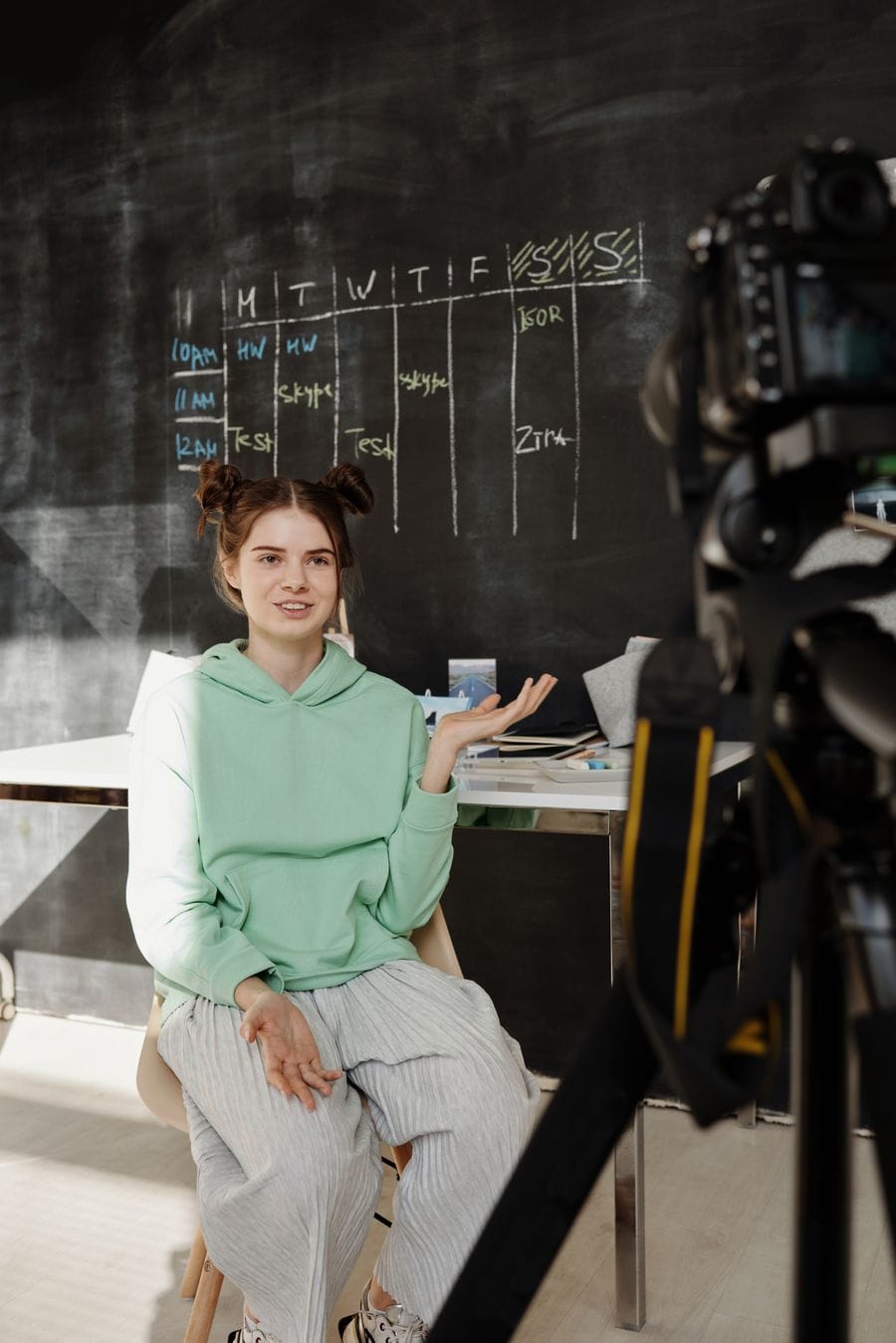
Viewers subscribe to a promise, not a video. How packaging, end screens and subscriber magnets turn casual viewers into regulars.
Why people actually subscribe
A view is a transaction; a subscription is a bet on the future. When someone taps subscribe, they are not rewarding the video they just watched — they are predicting that your next ten videos will be worth their time. That is why channels with one viral hit and no clear identity convert so poorly: two million people watched, but almost none of them could say what the channel is about, so almost none of them bet on it.
The fix is what we call the channel promise: one sentence a stranger could repeat after thirty seconds on your channel page. "Weekly budget PC builds in Arabic." "I test viral Saudi restaurants so you don’t have to." Every element of the channel — name, banner, thumbnails, upload rhythm — should point at that same sentence. If your last five videos could not sit under one promise, you are running three channels in one, and viewers subscribe to none of them.
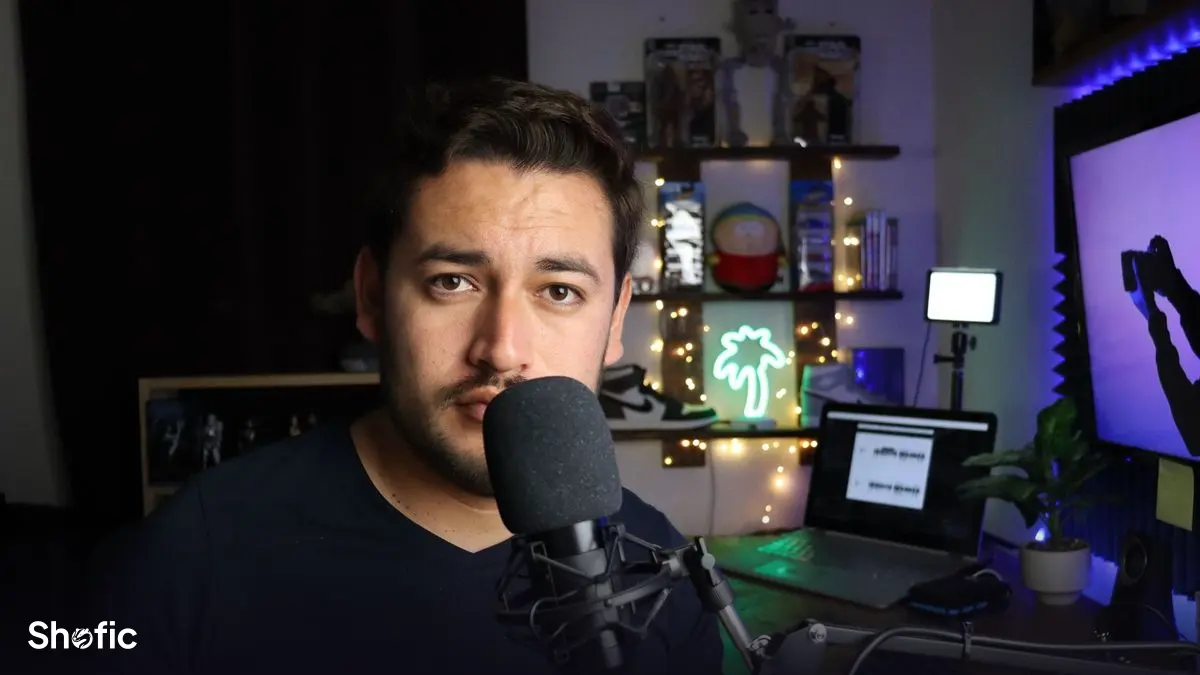
Packaging: the channel page as a storefront
Most subscription decisions happen on the channel page, not under the video. A viewer finishes something they liked, taps your name, and gives the page five seconds. What they should see: a banner stating the promise and the upload day, a pinned trailer under 60 seconds that shows (not narrates) what you make, and a grid of thumbnails that visibly belong to the same channel — consistent colors, one face treatment, one title style.
A practical test: screenshot your channel page, shrink it to phone size, and hand it to someone outside your niche. If they cannot answer "what is this channel and when does it publish?" within ten seconds, no subscribe button placement will save you. We covered the click side of packaging in our guide to YouTube views for Arabic creators — the same thumbnail discipline that wins clicks also wins subscriptions.
| Element | What it should show | Common mistake |
|---|---|---|
| Banner | The promise + your upload day | A logo with no words |
| Trailer | Under 60s that shows, not tells | A five-minute talking intro |
| Thumbnails | One color, face and title style | Every video looking different |
| Pinned playlist | Your best series first | Uploads sorted newest-first only |
The ask: timing and specificity
"Don’t forget to like and subscribe" in the first ten seconds is the most ignored sentence on YouTube — the viewer has received nothing yet, so there is nothing to reciprocate. Move the ask to the moment right after your strongest payoff: you just solved the problem, revealed the result, finished the best part. Then make it specific: "I publish one of these every Thursday — subscribe if you want the next one" converts far better than a generic plea, because it tells the viewer exactly what the bet pays.
One ask per video is enough. Channels that beg three times per upload train viewers to tune the asks out entirely — and retention graphs show small dips at every repeated plea, which costs you the watch time that fuels recommendations in the first place.
End screens that finish the job
The last 20 seconds of a video are where subscription intent peaks — the viewer stayed to the end, which already puts them in the top slice of your audience. Yet most creators waste it on an abrupt "thanks for watching" over a black frame. Build a real end screen instead: keep talking (silence makes people leave), tease the specific next video with one sentence of curiosity, and place two elements only — one video card and one subscribe button. Every extra element splits the click.
A worked example: a cooking channel ends its kabsa video with "next week I test whether a 40-riyal pot beats a 400-riyal one — the result surprised me," a card to a related recipe, and the subscribe element. That single structure gives the algorithm a session-continuation signal and the viewer two easy yeses.
Subscriber magnets: series, not videos
Analytics across niches show the same pattern: standalone videos collect views, series collect subscribers. A numbered format — "Fixing a follower’s channel, episode 4" — creates an open loop that a single video cannot: to see episode 5, you subscribe. Build at least one recurring format with a name, a fixed slot in your schedule, and a visible episode number in the thumbnail. Playlists then do quiet work: a viewer who enters through episode 3 binges backward, and every additional episode watched multiplies the odds of a subscription.
This is also where subscriptions and watch time stop being separate goals. A series binge is exactly the session behavior the recommender rewards — we break down that mechanism in our YouTube watch time guide.
A paced subscriber baseline makes a promise-keeping channel read as established at first glance.
View YouTube SubscribersReading your subscriber analytics
YouTube Studio shows subscribers gained per video — most creators never open it. Sort your library by subscribers gained, not views, and you will usually find the two lists disagree. A video with 8,000 views and 400 new subscribers is telling you what your future audience wants far more clearly than one with 80,000 views and 90 subscribers. Make more of the first kind: same topic, same format, same energy. Check the numbers monthly and let them, not your instincts, pick the next series.
Watch the "unsubscribed" column too. A spike in losses after a specific video usually means it broke the channel promise — a gaming channel that suddenly published a vlog, say. One off-promise experiment is survivable; a month of them retrains your audience to expect nothing in particular, which is the same as expecting nothing.
- Sort your library by subscribers gained, not views.
- Note the top three converters — their topic, format and energy.
- Scan the unsubscribed column for spikes after off-promise videos.
- Let the winners, not your instinct, pick next month’s series.
When a baseline helps — and what it can’t do
Subscriber count is itself a subscribe trigger. Visitors read it as a one-second credibility check: a channel at 43 subscribers gets judged as a hobby; the same content at 4,300 gets judged as a channel. That threshold effect is real, which is why some creators establish a baseline with a gradual YouTube subscribers package while their content earns the rest — delivery is paced over days to look like genuine growth, and the process needs only your channel URL, never a password. You can see exactly how ordering works on our how it works page.
Two honest limits. First, purchased subscribers do not count toward monetization requirements — those demand organic engagement, full stop. Second, a baseline amplifies a channel that already keeps its promise; it cannot rescue one that doesn’t. Fix the promise, the packaging and the end screens first, then decide whether social proof is the missing piece. More playbooks live in our YouTube growth hub.
Frequently asked questions
How do I get my first 1,000 subscribers on YouTube?
Narrow the channel to one repeatable promise, publish on a fixed weekly slot, and build one named series with numbered episodes. Then sort your analytics by subscribers gained per video and double down on whatever converts. Most channels that stall at a few hundred are publishing scattered topics, not bad videos.
Where should I ask viewers to subscribe in a video?
Right after your strongest payoff — the solved problem or revealed result — never in the opening seconds, when the viewer has received nothing to reciprocate. Ask once, make it specific ("one of these every Thursday"), and let the end screen carry the second, silent ask with a subscribe element and one video card.
Why do I get views but no subscribers?
Your videos work but your channel promise is unclear. Viewers enjoyed one video, visited the channel page, and could not predict what the next upload would be — so they left. Unify your thumbnails, state the promise and upload day in the banner, and group videos into series that reward following along.
Do bought YouTube subscribers count toward monetization?
No. YouTube’s Partner Program requirements demand organic engagement, and we state on every service page that purchased subscribers do not count toward those thresholds. Baseline packages are a social-proof tool — they change how visitors judge your channel at first glance, not how YouTube evaluates monetization eligibility.
How often should I upload to grow subscribers?
Pick the heaviest schedule you can hold for six months — for most solo creators that is one strong video per week plus two or three Shorts. A fixed, predictable slot beats raw volume: subscribers are a bet on your future output, and reliability is the evidence that the bet pays.
Does subscriber count affect how videos get recommended?
Not directly — YouTube recommends videos on watch time and engagement, and small channels outrank big ones daily. Indirectly, yes: subscribers supply the early views that give a new upload momentum, and a credible count raises click-through from strangers who see your channel name beside the thumbnail.